The standard coaching check-in invites a one word lie, and then we blame athletes for not speaking up.
How do you feel is a question nobody can answer
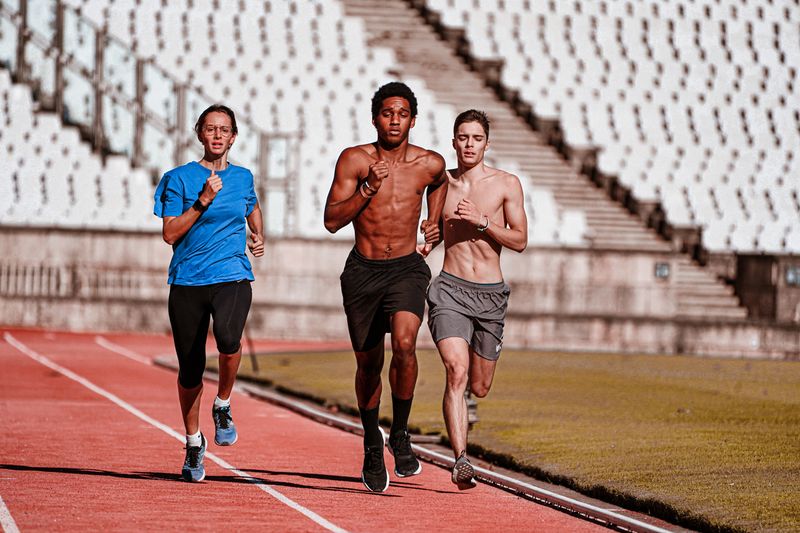
Asked at the door, at speed, on the way past, the question receives the only possible reply. Fine. Yeah, good. Then a week later somebody has a stress reaction in a foot that has apparently been sore since April, and the coaching staff say honestly, he never told us.
He did not tell you because you asked a question with a socially correct answer built into it. In a competitive environment, saying you feel bad is a bid to be left out, and athletes know it, so the honest answer costs them something and the dishonest one costs nothing. That is not a character flaw. That is an incentive structure the coach designed.
Better questions are specific, comparative and low stakes. Not how do you feel but how did the right calf feel on the change of direction yesterday compared with last Thursday. Not are you tired but which part of the warm up felt worst today. Specific questions are answerable, they do not sound like an invitation to withdraw, and they give the athlete a way to report a small thing without it becoming a large thing.
Timing matters as much as wording. Asking in front of teammates guarantees the confident answer. Asking while walking away signals that you do not want a real reply and that you have already allocated four seconds to this. Sit down, be still, and ask once more after the first answer, because the second answer is usually the true one.
Daily questionnaires get used to solve this and they solve half of it. They give a private channel and a trend line, which is genuinely useful. They also decay into a five second tap on a phone, especially if the athlete notices that a low score produces an awkward conversation rather than a change to their session. If reporting fatigue reliably results in being made to do more running to prove fitness, the scores will be excellent forever.
Close the loop. When somebody tells you something, visibly change something, even slightly, and say why. Athletes report to coaches who act on reports and stop reporting to coaches who nod.
Everybody wants the athlete to be honest. Very few of us have made honesty a cheap thing to be.
Related Articles