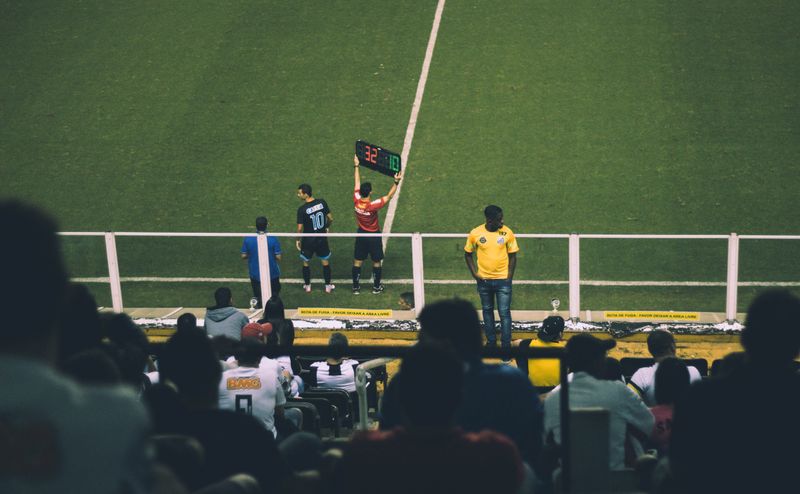
Teams train in the cool and compete in the worst of the afternoon, then treat the collapse as bad luck.
You cannot rehearse the heat at seven in the morning

Every session that week was at half past seven, in the shade, with a breeze off the sea. The tournament games were at two in the afternoon on an open pitch. When the squad fell apart in the second half, the review talked about game management. The problem was the schedule three weeks earlier.
Coaches move sessions into the cool for good reasons. Athletes work harder, the quality is better, the group enjoys it, nobody gets ill, and the numbers on the sheet look correct. But quality is not the only currency. If the competition happens in conditions the squad has never trained in, you have optimised the training and left the match untrained.
Heat is a skill as much as a physical adaptation, and the skill half is almost entirely uncoached. Pacing feels different when the first ten minutes already hurt. Decision making degrades earlier and the athlete has to know what their own degraded version looks like so they can plan around it. Communication drops, because talking costs more. Substitution patterns change. None of that can be learned from a briefing, and all of it can be learned from three or four deliberately unpleasant sessions.
So I would spend the currency on purpose. Not every day. Two or three sessions in the block, at the actual time of day of the competition, with the tactical content simplified because it will not be executed well anyway. Accept that those sessions look bad. Tell the group in advance that they will look bad, so nobody reads the mess as a standards problem, which is the mistake that turns a useful session into a punishment.
There is a duty of care line and it should be drawn clearly. Building tolerance is progressive, it needs full access to fluid, it needs staff watching individuals rather than the group, and there is a level of heat where the correct coaching decision is not to train at all. Anybody who cannot hold both of those ideas at once should stick to the morning.
The teams that handle a hot afternoon well are usually not fitter. They have just been there before, in training, on purpose, when it did not count.
Related Articles