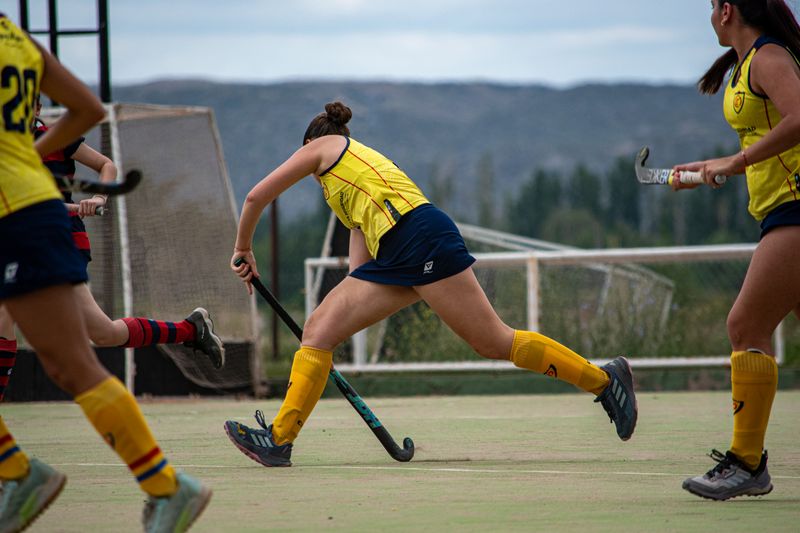
Groups turn easy days into a competition the moment they are left to run together without a coach.
The recovery run is a third session in disguise

Sunday morning, forty minutes, easy. Nobody is watching. Two of them are in decent form, one of them wants to prove a point after being left out, and by kilometre three the group is running at a pace that would embarrass a Thursday tempo session. Everybody goes home having done a hard workout they have logged as recovery.
The physiological argument about easy running has been made a thousand times and does not need me. The coaching argument is the one that keeps being ignored, which is that easy sessions are the hardest to supervise and are therefore the ones most consistently supervised least. Coaches attend the sessions that look like coaching. Nobody watches the flush run.
That leaves the pace to be set by group dynamics, and group dynamics reliably produce the fastest possible version of anything. Add a training watch that everybody can see afterwards and you have built a competition with a public leaderboard on a day designed to have no competition in it.
There are structural fixes and they work better than instructions do. Send them out in pairs matched by ability rather than as a bunch. Set an upper limit rather than a target, because a target becomes a floor. Put the slowest athlete at the front and give them the job of holding the pace, which sounds petty and is remarkably effective. Or simply be there, occasionally, on a bike, which changes behaviour purely by existing.
The other underrated option is to give the day a job that is not running at all. Athletes accept a recovery day much more easily when it contains something they can succeed at, so a technical session at low intensity, a mobility block with actual coaching in it, or twenty minutes of skill work will hold together far better than an unsupervised jog that they secretly consider a waste of a morning.
Coaches complain that athletes cannot do easy properly. I would put that back on the coach. If the only day of the week without supervision is also the only day that is consistently executed wrong, that is not an athlete problem, it is a staffing decision with a predictable outcome.
Related Articles